


If you have ever glanced at your oil gauge while driving and wondered if the number you are seeing is actually normal, you are not alone. Understanding a normal oil pressure gauge reading is one of the simplest ways to stay connected to your engine and prevent long-term damage.
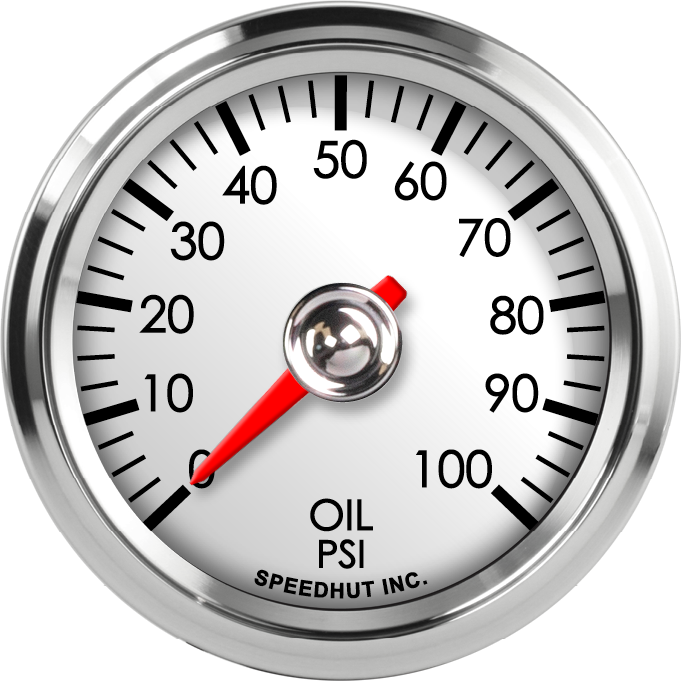
In most vehicles, a healthy oil pressure reading typically falls between 20 to 60 PSI depending on engine speed, temperature, and design. At idle, it may sit closer to 20 PSI, while higher RPMs can push it toward the upper end of that range.
That said, “normal” is not a fixed number. It is a range that depends on your specific engine and how it operates. The key is consistency. Once you know what your vehicle typically shows, any sudden change is worth paying attention to.
Why Engine Oil Pressure Matters
Your engine relies on proper engine oil pressure to keep internal components lubricated. Oil moves through narrow passages, reducing friction between moving parts like pistons, bearings, and camshafts.
Without enough pressure, oil cannot circulate effectively. Too much pressure, on the other hand, can stress seals and components. Both situations can lead to costly repairs.
Think of your oil pressure gauge as an early warning system. It gives you real-time insight into how well your engine is being protected.
What Affects Your Oil Pressure Reading?
Several factors influence what your oil gauge displays. This is why two vehicles may show different “normal” readings even when both are functioning perfectly.
Engine Speed (RPM)
Oil pressure increases as engine speed rises. This is why your gauge reads lower at idle and higher when accelerating.
Oil Temperature
Cold oil is thicker and creates higher pressure. As the engine warms up, oil thins out and pressure drops slightly.
Oil Viscosity
Using the correct oil weight matters. Thicker oil can raise pressure, while thinner oil may lower it.
Oil Pressure Sensor Accuracy
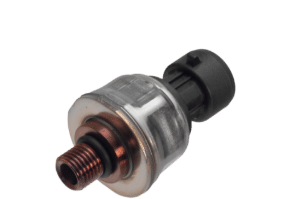
A faulty oil pressure sensor can give misleading readings. If your gauge suddenly behaves erratically, this is one of the first components to check.
Engine Condition
Wear and tear inside the engine can affect how easily oil flows, which directly impacts pressure.
Typical Oil Pressure Ranges
While every vehicle is different, the table below gives a general idea of what most drivers can expect:
These numbers are not universal, but they provide a helpful baseline. Always refer to your vehicle’s specifications if available.
How to Read Your Oil Gauge Correctly
It’s important to examine the patterns when reading your oil gauge.
A steady reading within your normal range usually means everything is functioning properly. Gradual changes over time can signal wear, while sudden drops or spikes often indicate a problem that needs immediate attention.
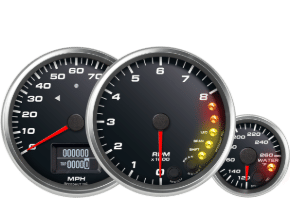
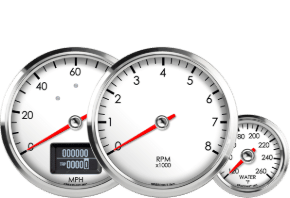
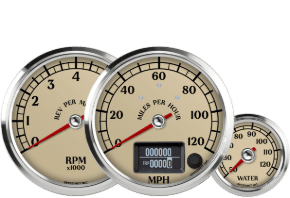
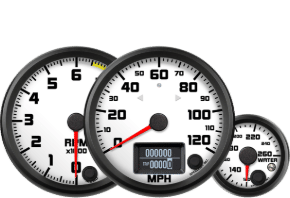
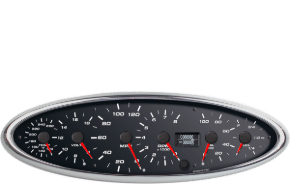
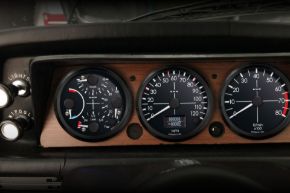
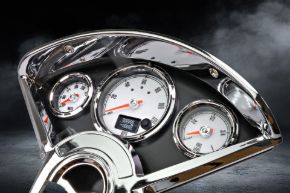
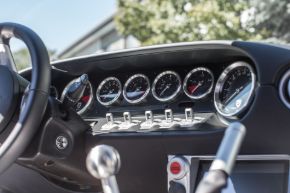
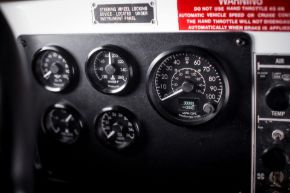
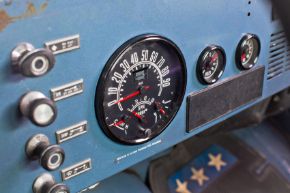
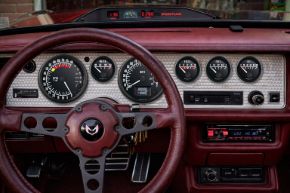
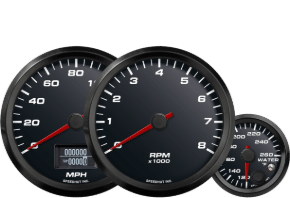
Mechanical gauges and digital displays both serve the same purpose, but many enthusiasts prefer analog-style oil pressure gauges for their readability and classic feel.
Signs Your Oil Pressure Reading Is Not Normal
Here is a quick checklist of warning signs that your oil pressure may be outside a normal range:
- Sudden drop to zero while driving
- Consistently low readings at all speeds
- Unusually high pressure that stays elevated
- Fluctuating readings that jump rapidly
- Engine noise such as knocking or ticking
If you notice any of these, it is best to stop driving and inspect the issue as soon as possible.
Common Causes of Low Oil Pressure
Low oil pressure is one of the most common concerns drivers face. It can happen for several reasons:
Low Oil Level
The simplest explanation is often the correct one. If there is not enough oil in the system, pressure drops.
Worn Engine Components
Over time, internal parts wear down, allowing oil to flow more freely and reducing pressure.
Faulty Oil Pump
The oil pump is responsible for circulating oil. If it fails, pressure drops quickly.
Clogged Oil Passages
Debris or sludge buildup can restrict oil flow and disrupt pressure.
What About High Oil Pressure?
High oil pressure is less common but still important to address. It can be caused by:
- Thick or incorrect oil viscosity
- Blocked oil passages
- Pressure relief valve issues
While it may not seem as urgent as low pressure, consistently high readings can strain your engine over time.
Upgrading to a More Reliable Oil Pressure Gauge
If your current setup feels unreliable or difficult to read, upgrading your gauge can make a noticeable difference.
A universal oil pressure gauge offers flexibility across different vehicle types, whether you are working on a classic restoration or a custom build. These gauges are designed to integrate with a wide range of engines while providing accurate, real-time data.
For enthusiasts who want both performance and customization, Speedhut offers handcrafted oil pressure gauges built for precision and durability. Their designs allow you to match your dashboard style while maintaining reliable readings.
Mechanical vs Electric Oil Pressure Gauges
Choosing the right type of gauge also affects how you monitor your oil pressure.
Both options can provide reliable readings when installed correctly. The choice often comes down to preference and application.
Why Monitoring Oil Pressure Is Worth It
It is easy to overlook your oil gauge until something goes wrong. But regularly checking your oil pressure reading can help you catch issues early, before they turn into expensive repairs.
This is especially important for enthusiasts who modify their vehicles or push them harder than average. A small change in pressure can be the first sign that something needs attention.
Building a Better Dashboard Experience
A well-designed dashboard does more than display information. It creates a connection between you and your vehicle.
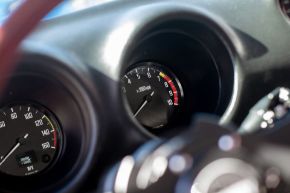
Whether you are restoring a classic or building a custom setup, having the right gauges makes a difference. Clean, readable, and accurate oil pressure gauges help you stay informed without distraction.
If you are planning a full setup, you may also want to read our blog: How to Choose Gauges for a Custom Car Dashboard Build
Why It’s Important to Understand a Normal Oil Pressure Gauge Reading
It is important to be able to recognize a normal oil pressure gauge reading, not just for peace of mind, but for protecting your engine over time.
Your gauge is one of the few tools that gives you real-time feedback on what is happening inside your engine. Once you understand what is normal for your vehicle, even small changes become easier to catch early.
For enthusiasts and builders, this matters even more. When you invest time and money into a vehicle, having clear and reliable readings helps you keep everything running the way it should.
A well-calibrated oil pressure gauge does more than display numbers. It helps you stay connected to your build and confident behind the wheel.
FAQs
What is considered a normal oil pressure gauge reading at idle?
Most vehicles show around 20 to 30 PSI at idle when the engine is warm. This can vary slightly depending on engine design.
Can I drive with low oil pressure?
Driving with low oil pressure is risky and can cause severe engine damage. It is best to stop driving and inspect the issue immediately.
Does oil type affect oil pressure readings?
Yes. Oil viscosity plays a role in pressure levels. Thicker oil can increase pressure, while thinner oil may reduce it.